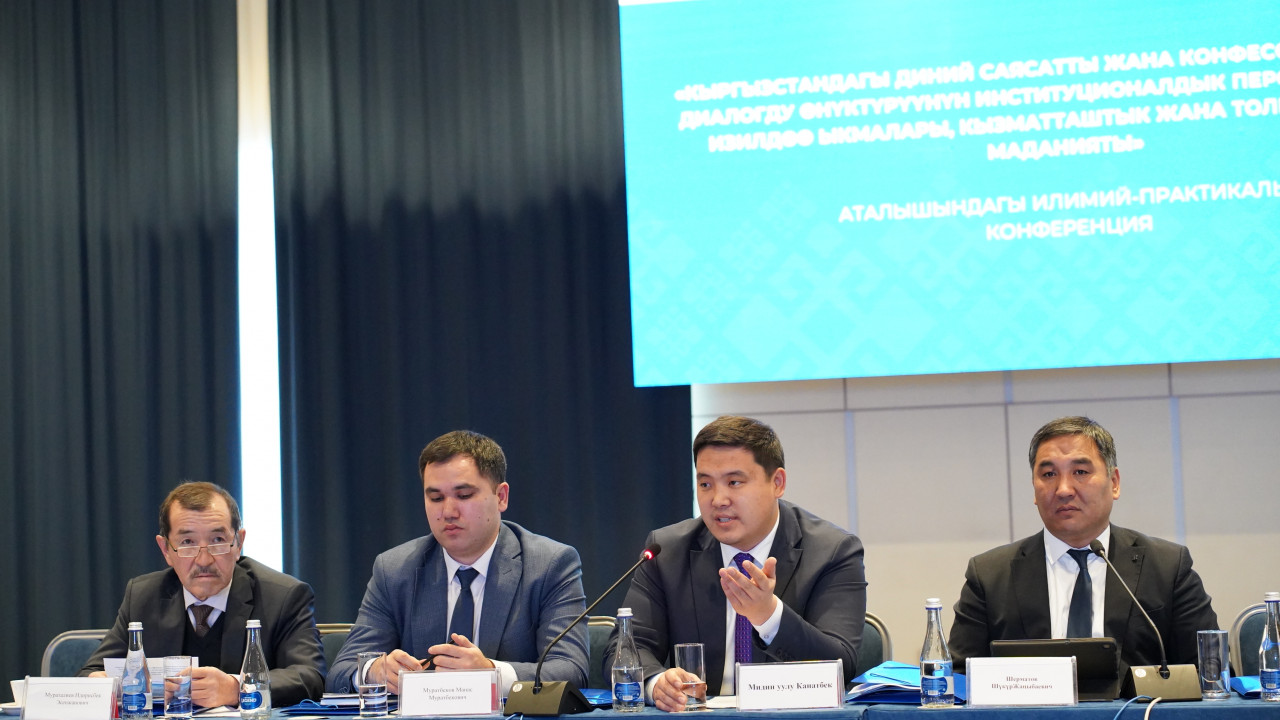
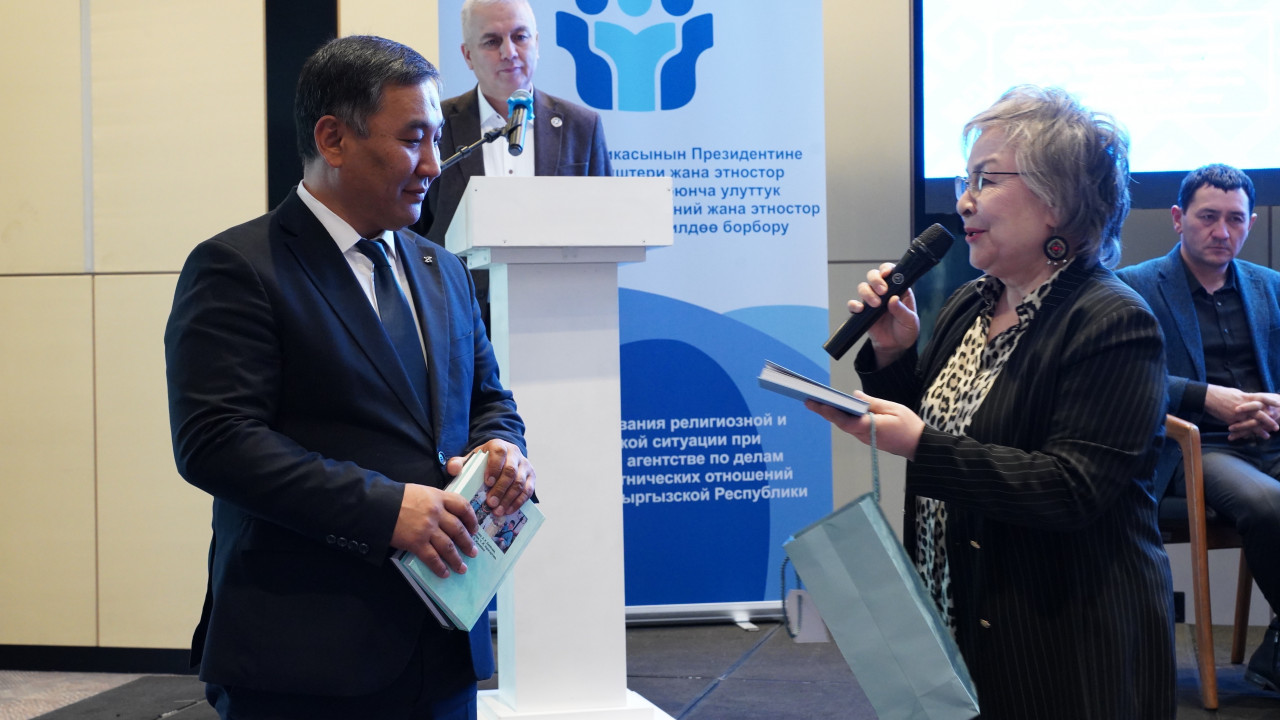
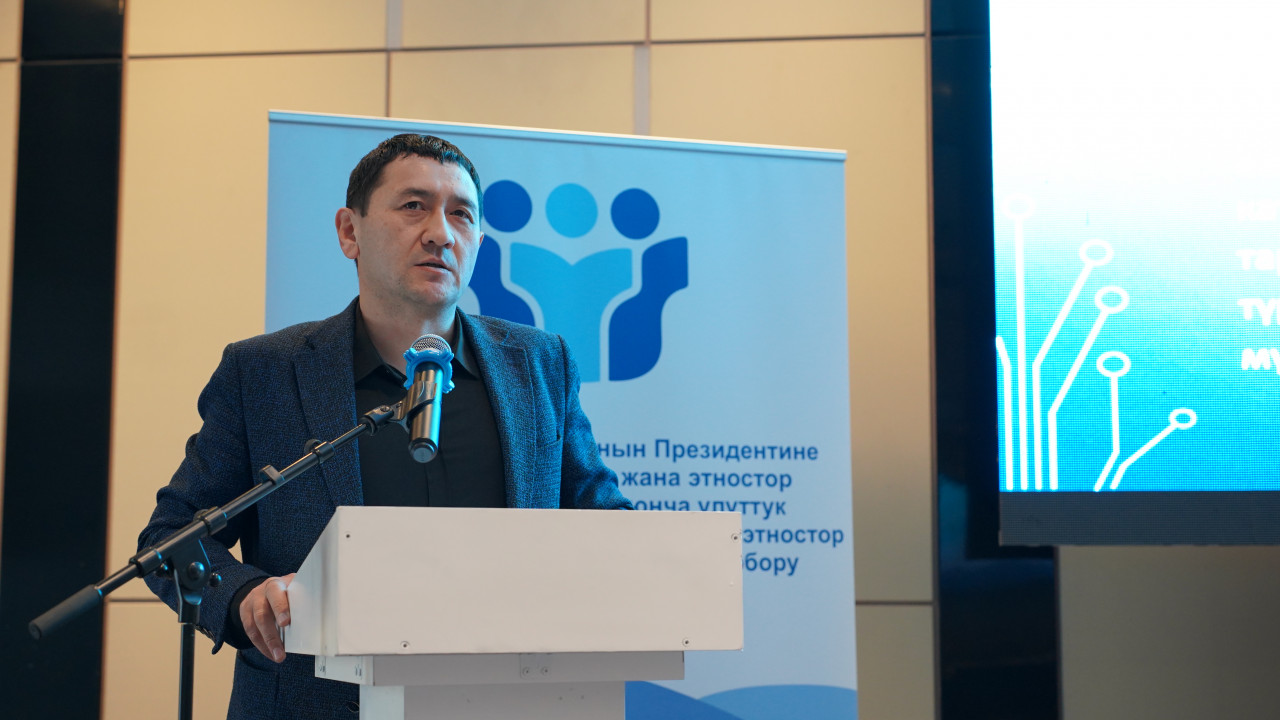
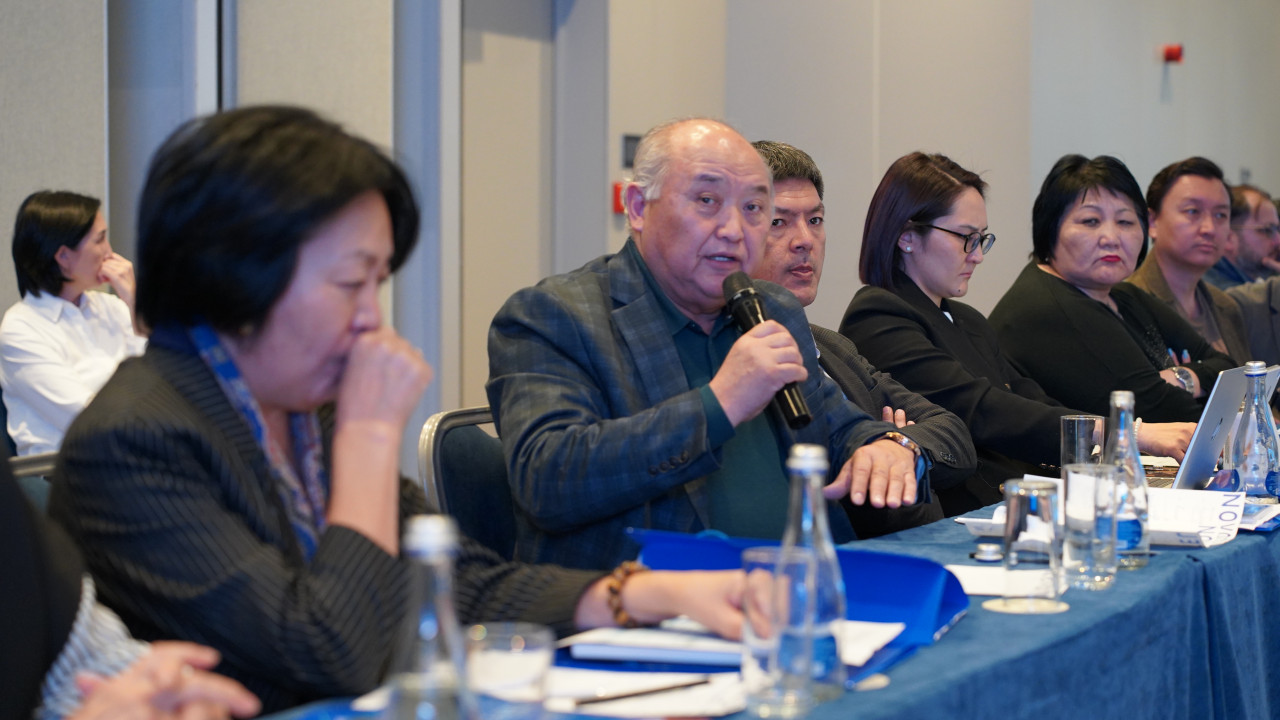
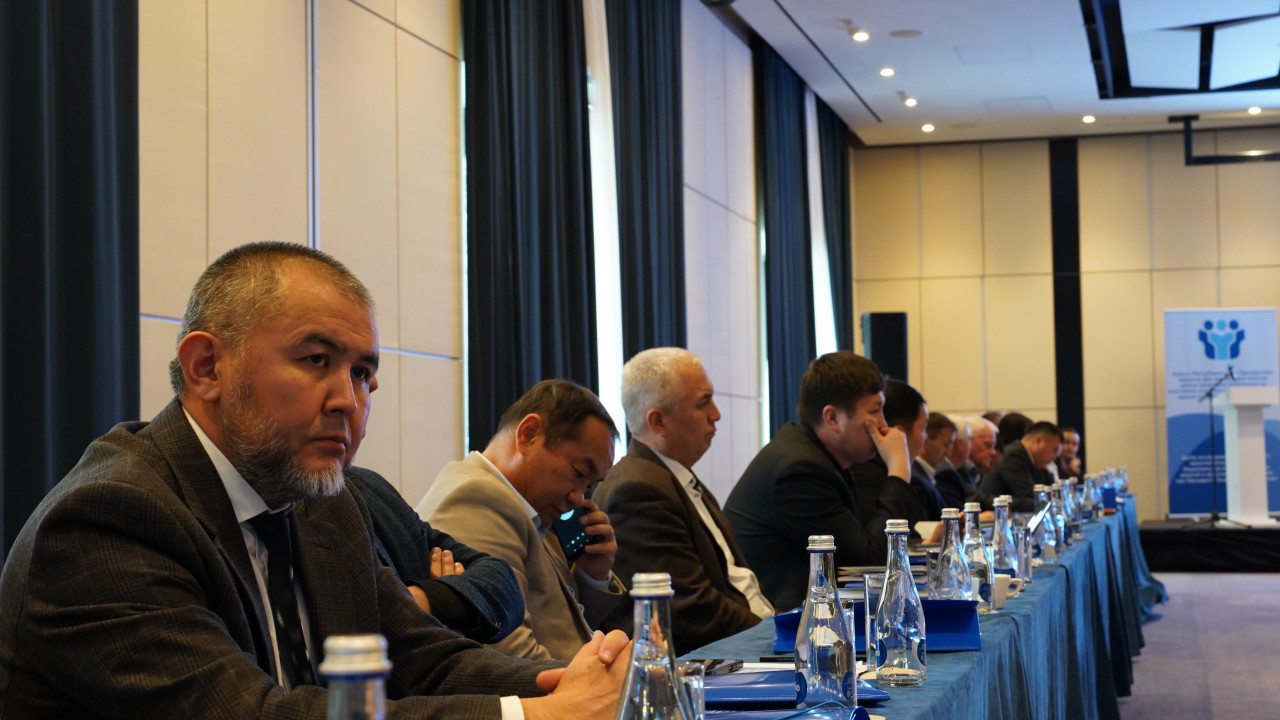
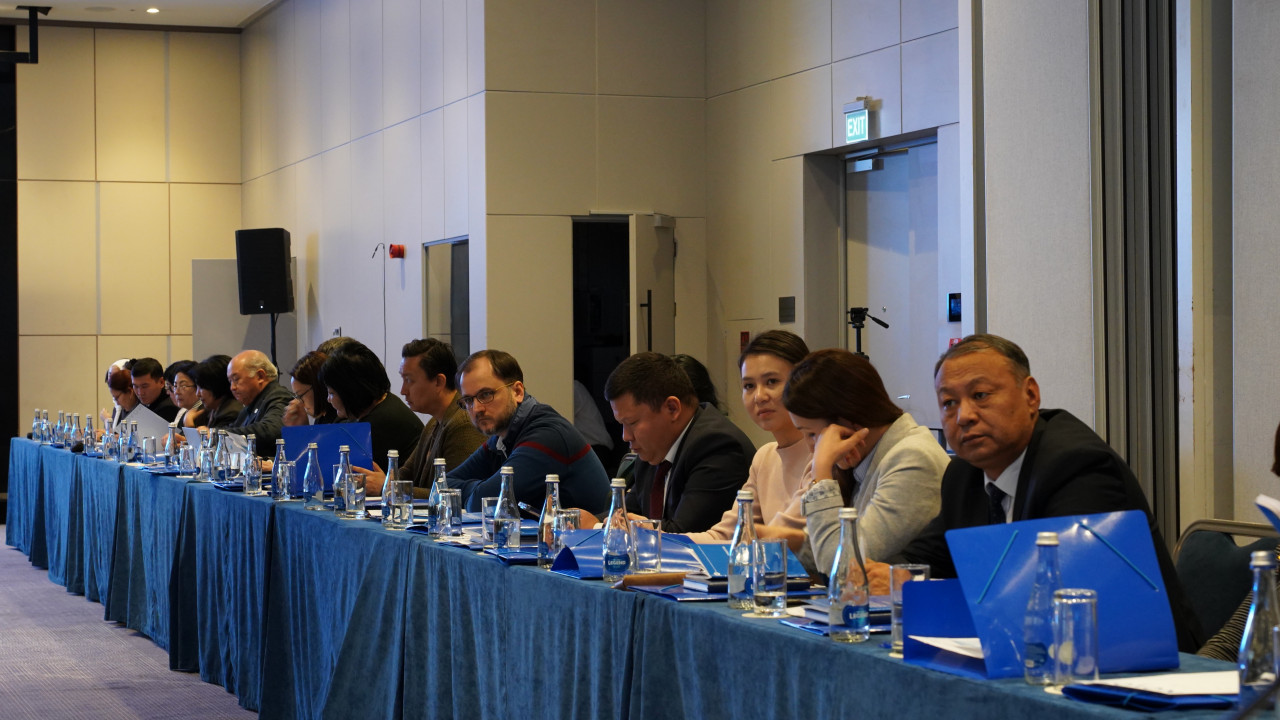
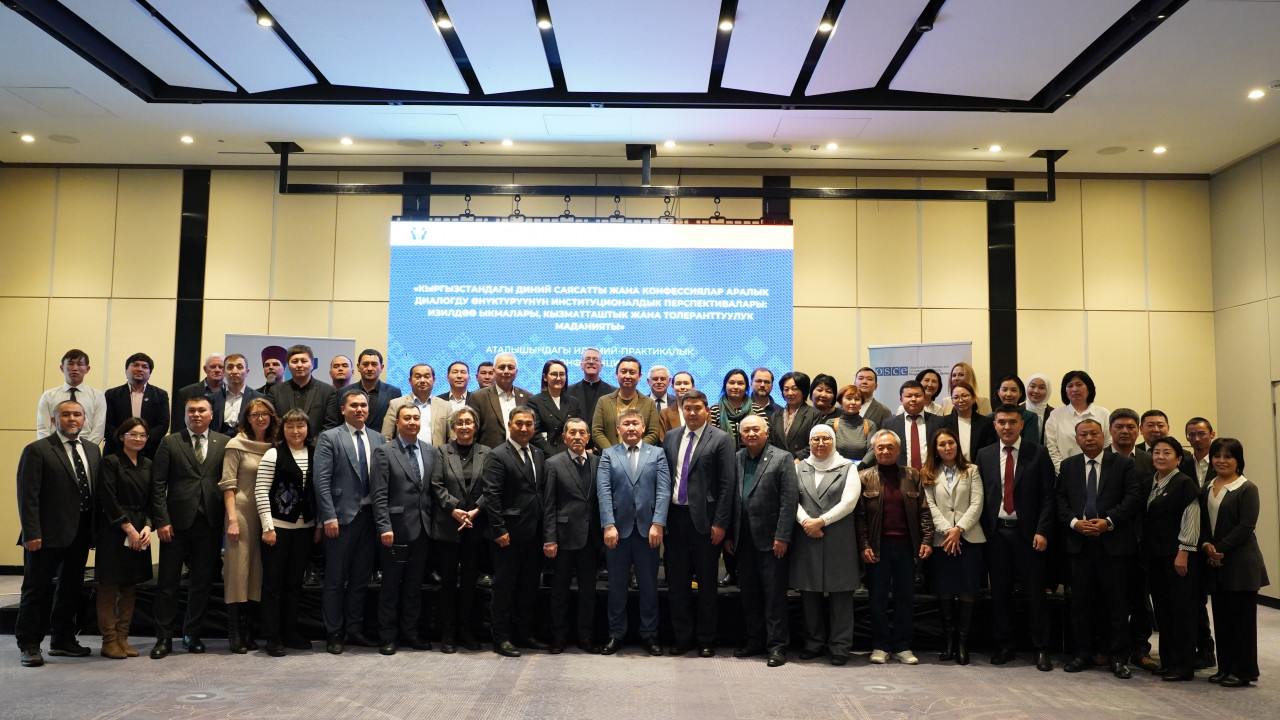
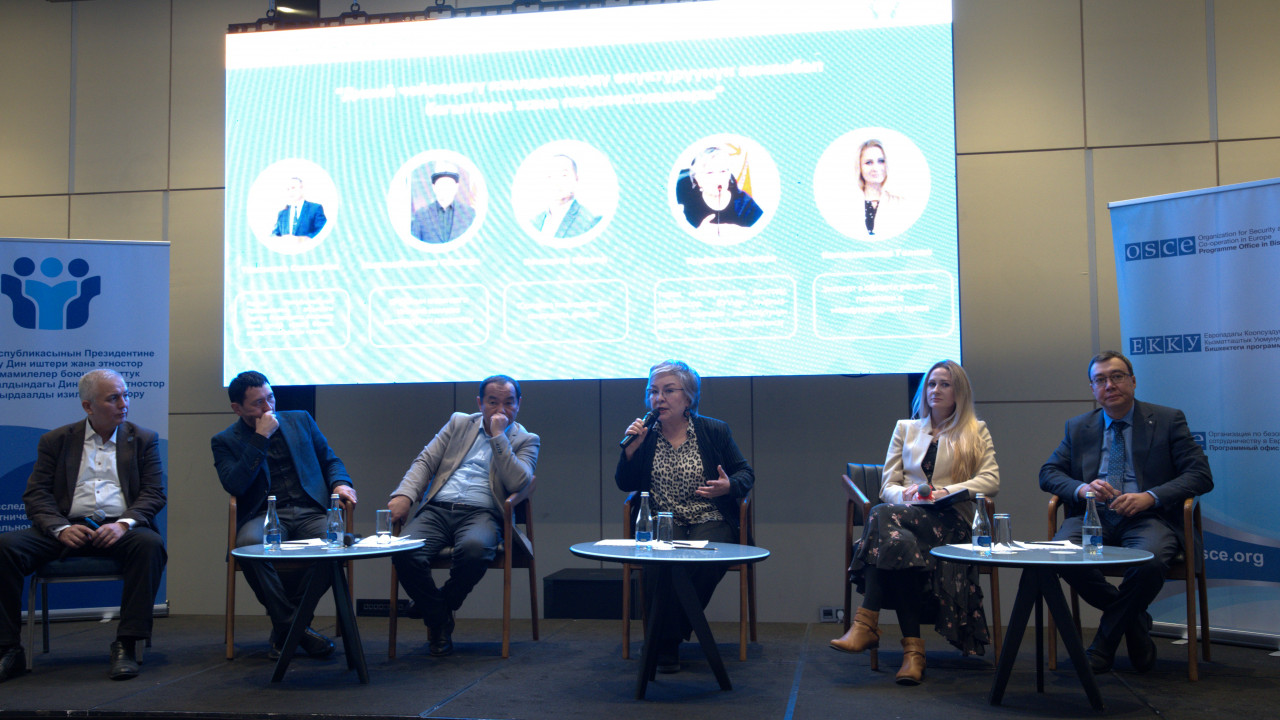
In December 10, 2025, Research Center for Religious and Interethnic Situation under the National Agency for Religious and Interethnic Affairs under the President of the Kyrgyz Republic (hereinafter referred to as the Center) held a scientific and practical conference dedicated to the 10th anniversary of its activities, entitled:
“Institutional Prospects for the Development of Religious Policy and Interfaith Dialogue in Kyrgyzstan: Research Methods, Cooperation, and a Culture of Tolerance.”
It should be noted that the Center was established on November 3, 2015, as a departmental unit under the former State Commission for Religious Affairs of the Kyrgyz Republic. From the initial years of its operation, the Center has carried out tasks related to the collection, analysis, and systematization of information on the religious situation in the country. As the Center’s research experience developed, and in response to the demands of the time and changes in society, a practice was formed of preparing analytical and informational materials necessary for making state strategic decisions in the religious sphere. Over the 10-year period, the Center has conducted a number of studies at the international, national, and local levels and is currently identifying new research directions in the field of religious and interethnic relations.
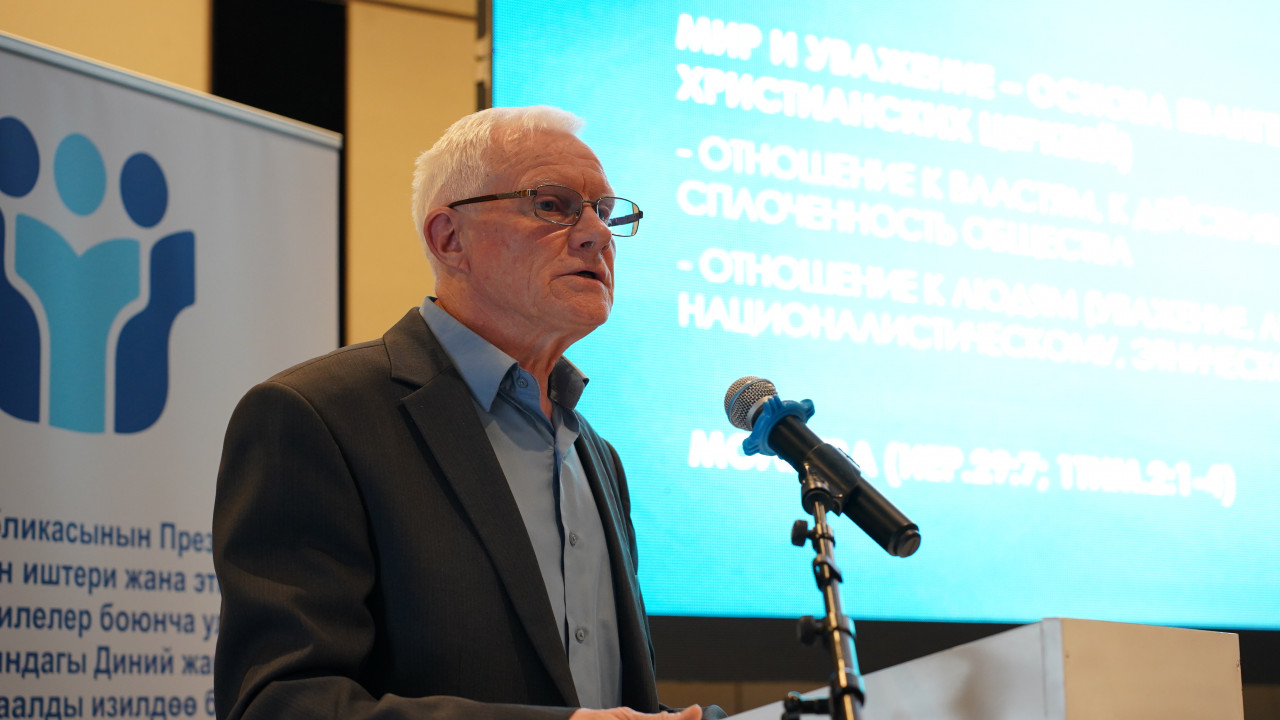
The event was organized with the aim of discussing directions for the development of state policy in the religious sphere and interfaith dialogue, promoting a culture of tolerance, exchanging analytical experience, and improving research methodologies. The conference is regarded as a platform for open dialogue on pressing issues in research on religious and interethnic relations, as well as for developing concrete recommendations.
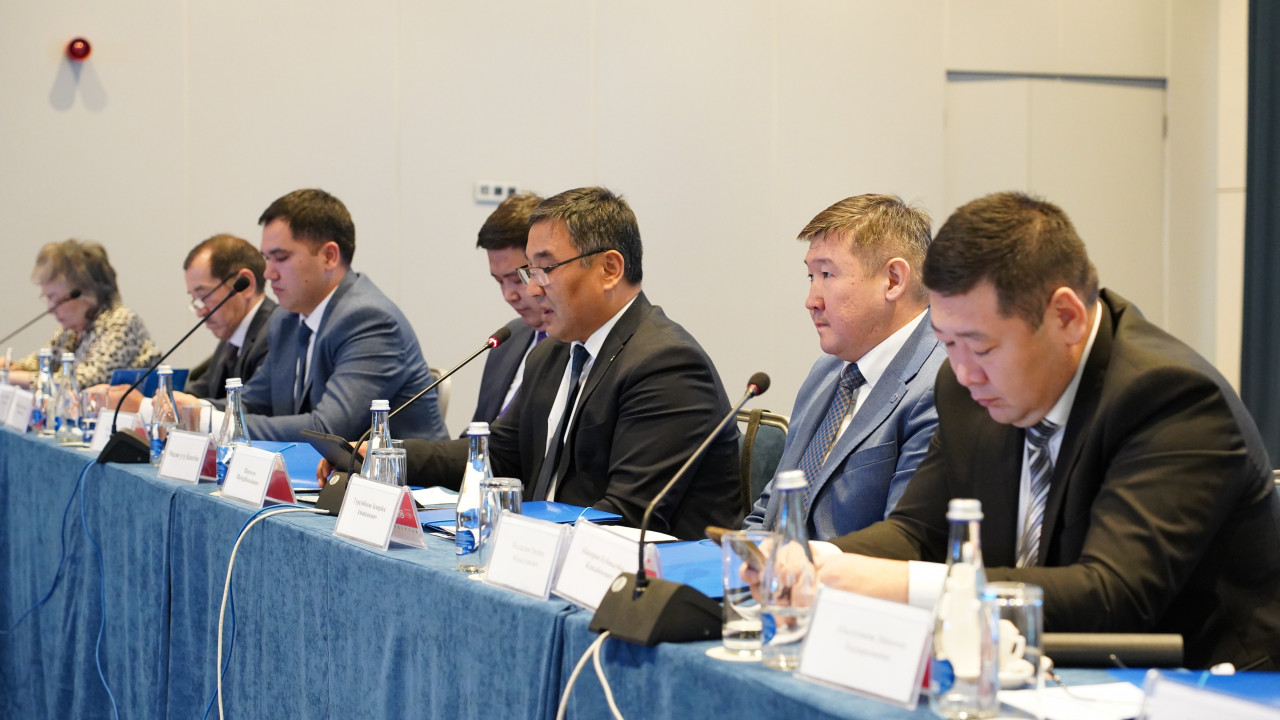
Within the framework of the panel session, participants discussed the Center’s 10 years of experience and achievements and analyzed international practices applied in research on religious and interethnic issues.
Representatives of government bodies, international and non-governmental organizations, religious associations, and the academic community took part in the conference.